Mindblown: a blog about philosophy.
-
Alberta Métis Cultural History: Julia Auger
Within the rich lineage of Alberta Métis Cultural History and indigenous history overall, Julia Auger offers up her own experiences. When asked “who are the Métis people and what does it mean to be Métis?”, Auger said, “We are. I’m a Métis. I’m a mixed life. Not white. I’m not really… I live in both…
-
Alberta Métis Cultural History: Hugh Chalifoux
Within the rich lineage of Alberta Métis Cultural History and indigenous history overall, Hugh Chalifoux offers up his own experiences. When asked “who are the Metis people?”, Chalifoux’s answer revealed the outsider racism that has often followed that identity. He said, “Métis people are half white, half native. Half breeds. That’s what I think. Apparently,…
-
Alberta Métis Cultural History: Frank Ghostkeeper
Within the rich lineage of Alberta Métis Cultural History and indigenous history overall, Frank Ghostkeeper offers up his own experiences. Ghostkeeper went to school in McLennan as well as High Prairie and ended up in Paddle Prairie a bit later on. During the times of residential schools, Ghostkeeper was on a farm so he said…
-
Alberta Métis Cultural History: Emma Willets
Within the rich lineage of Alberta Métis Cultural History and indigenous history overall, Emma Willets offers up her own experiences. When asked “what does it mean to be Metis?”, Willets stated, “I guess it means that kind of like the best of both worlds. Because we are like the mixed race. We get, for me,…
-
Alberta Métis Cultural History: Doreen Batchlor
Within the rich lineage of Alberta Métis Cultural History and indigenous history overall, Doreen Batchlor offers up her own experiences. When asked “who are the Metis people?”, Batchlor said, “Métis people were people that had that; have two generational family. There’s European, the white, and First Nation. The man usually married a first nation woman,…
-
Alberta Métis Cultural History: Brenda Farnel
Within the rich lineage of Alberta Métis Cultural History and indigenous history overall, Brenda Farnel offers up her own experiences. When asked “who are the Metis people?”, Farnel touched on the complexities that can come with answering a question like that. She said, “We’re not treaty. The only treaty we had was my grandma. But…
-
Alberta Métis Cultural History: Adolphus Auger
Within the rich lineage of Alberta Métis Cultural History and indigenous history overall, Adolphus Auger offers up his own experiences. When posed the question “who are the Metis?”, Auger stated, “I don’t know, part Indian and part white, mixed blood yeah.” When asked “what was it like having to travel from where you were…
-
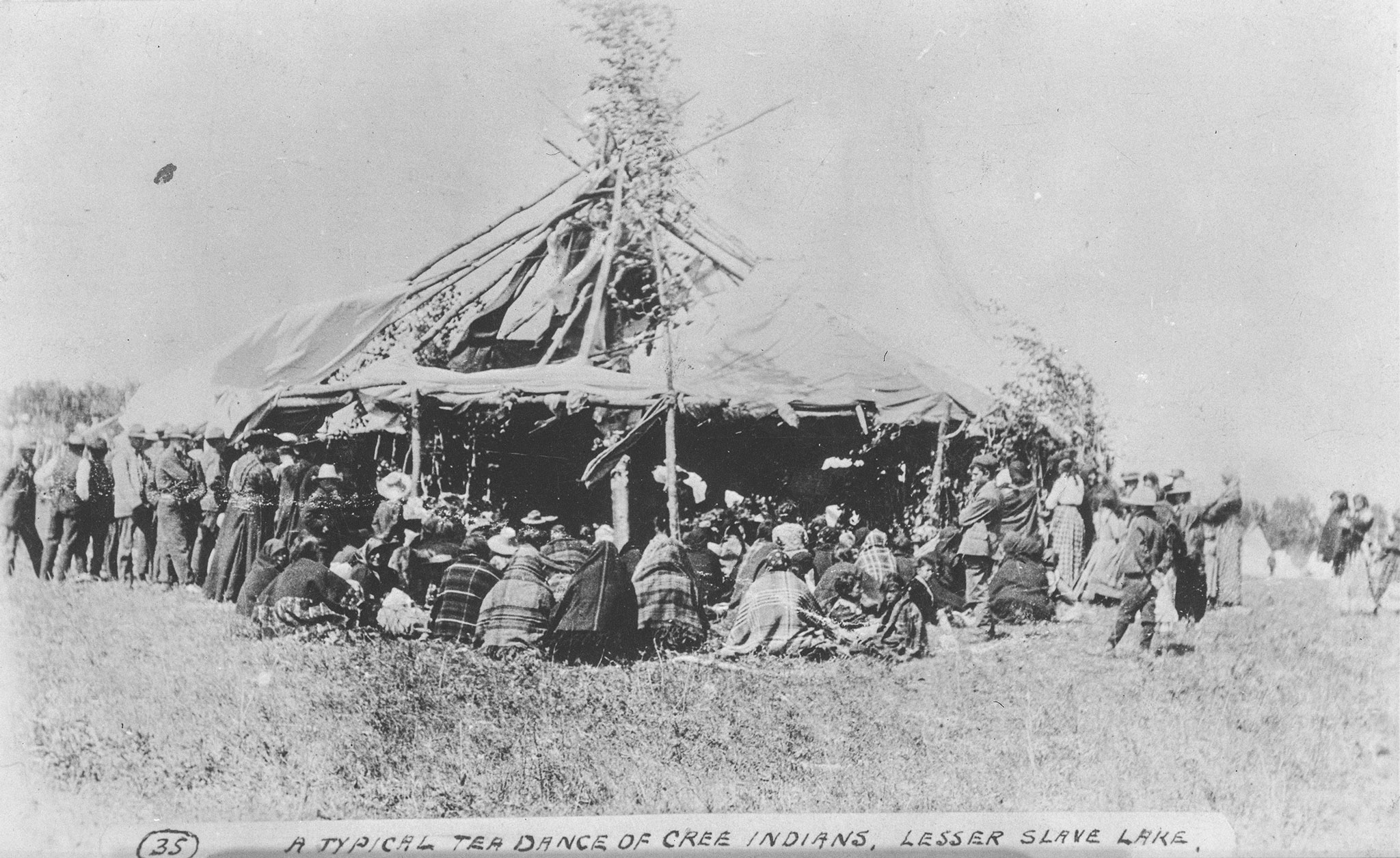
Indigenous History & Impacts: Slave Lake Region
Before the arrival of the fur traders, explorers and settlers, the entire region had been inhabited or visited by Indigenous, Métis, and Inuit people. It is their traditional territory. This is only a small glimpse into Indigenous history in the region. Many of the references in the Edmonton Bulletin about Indigenous people give information as…
-
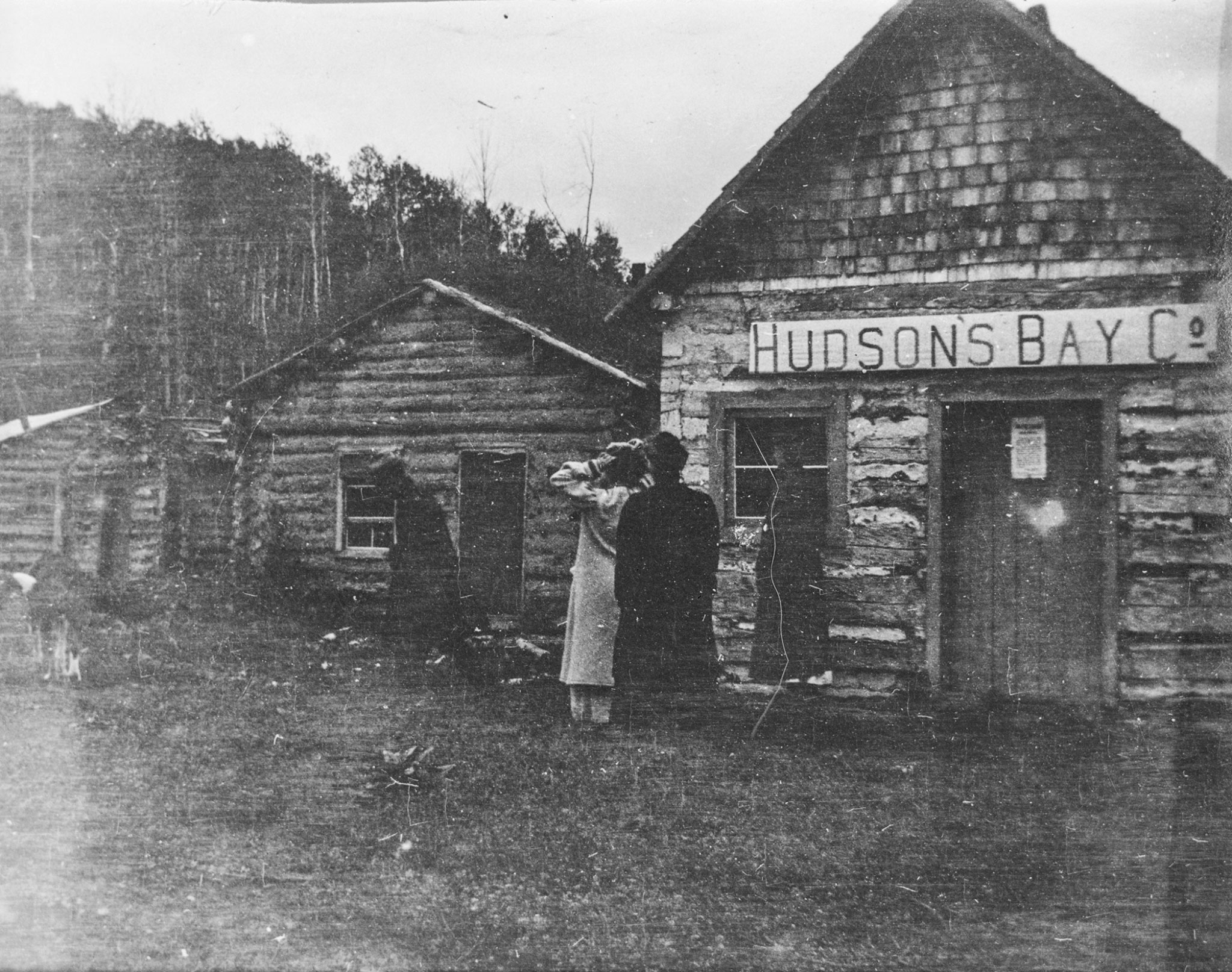
Lesser Slave Lake Region Settlement and Development
Between 1880 and 1896, major changes were taking place in the North. Agricultural capabilities were being tested, missionaries and other settlers were moving into the Lesser Slave Lake Region and Peace River Country. The fur trade was being looked on as an economic driver. At the same time, the old ways of life, transportation and…
-
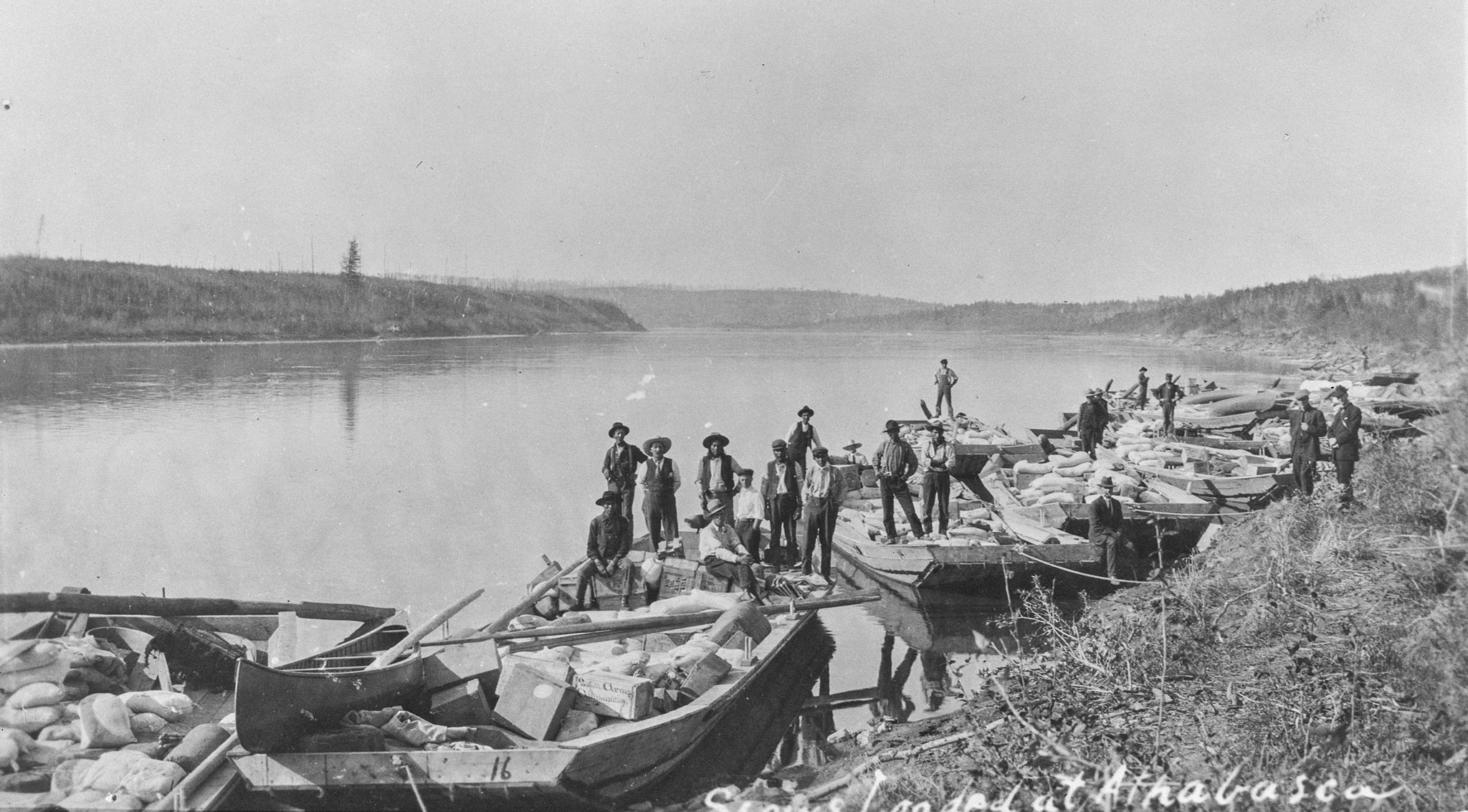
Northern Alberta Travel & Transport in 1880-1896
Imagine taking 11 days to make a trip that you could accomplish today in less than two hours by car! This was common in the late 1800s — the multiple ways to get around northern Alberta were all depending on the weather conditions. Now picture trudging through three feet of snow in 50 below! That’s…
Got any book recommendations?