Category: History
-
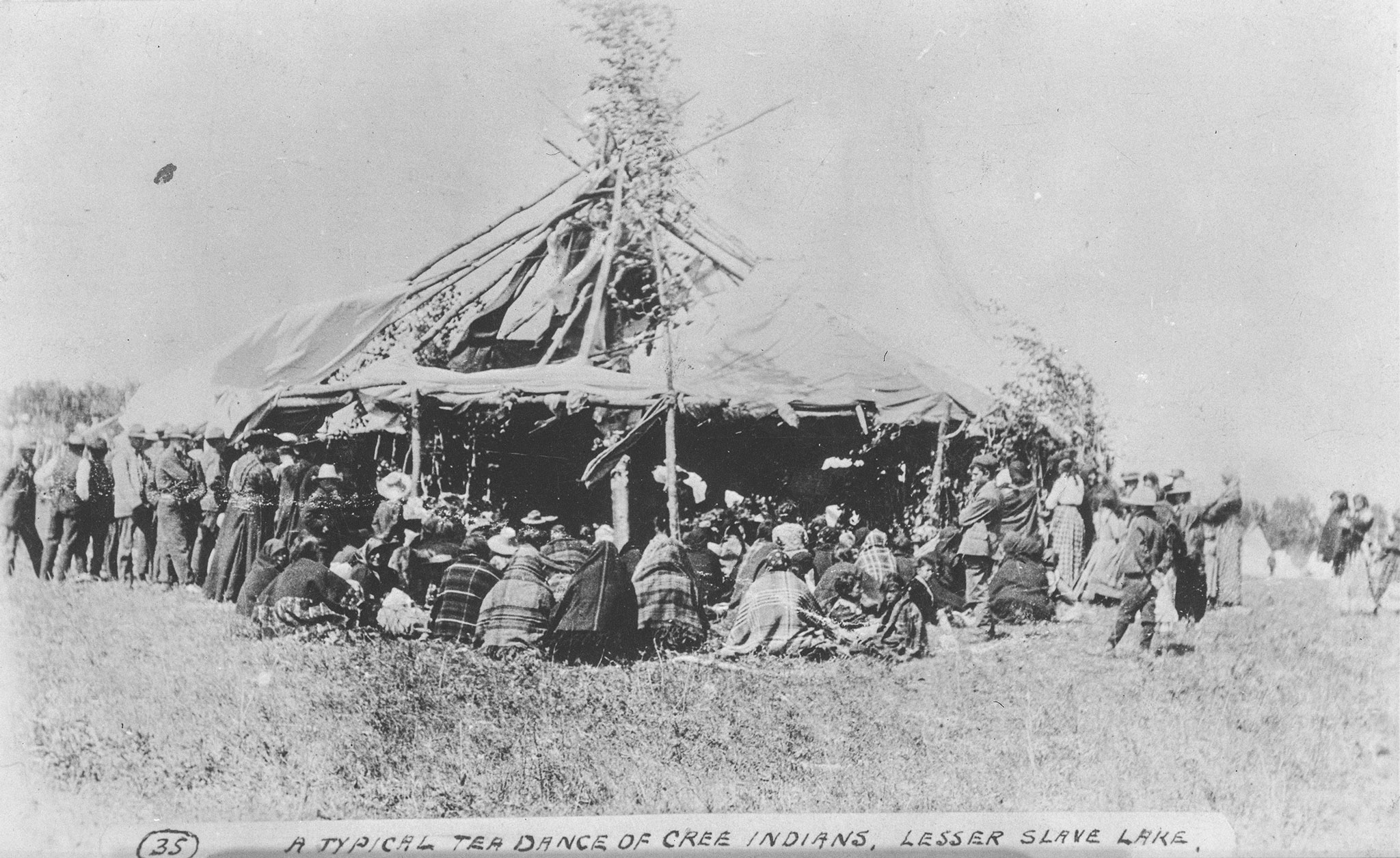
Indigenous History & Impacts: Slave Lake Region
Before the arrival of the fur traders, explorers and settlers, the entire region had been inhabited or visited by Indigenous, Métis, and Inuit people. It is their traditional territory. This is only a small glimpse into Indigenous history in the region. Many of the references in the Edmonton Bulletin about Indigenous people give information as…
-
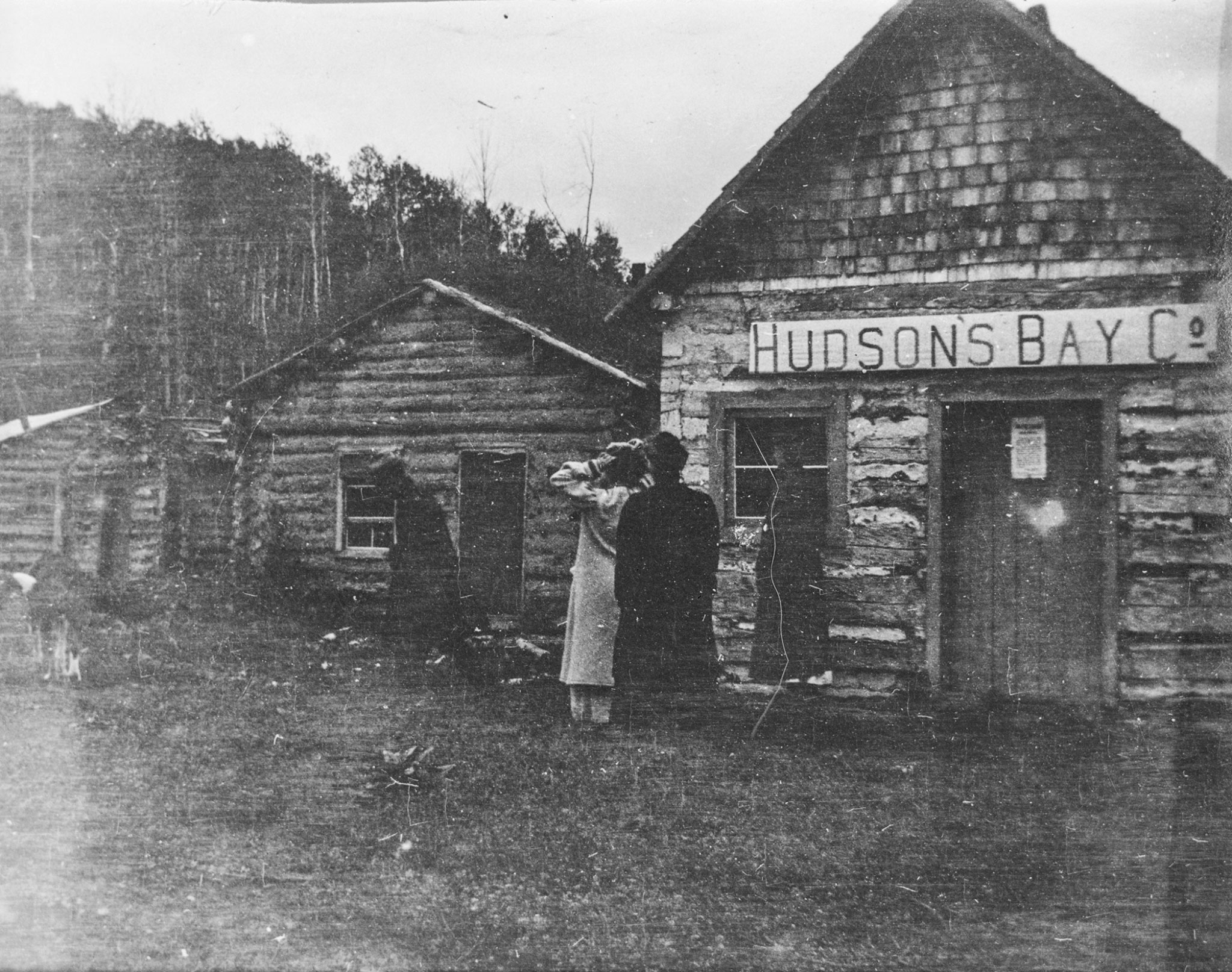
Lesser Slave Lake Region Settlement and Development
Between 1880 and 1896, major changes were taking place in the North. Agricultural capabilities were being tested, missionaries and other settlers were moving into the Lesser Slave Lake Region and Peace River Country. The fur trade was being looked on as an economic driver. At the same time, the old ways of life, transportation and…
-
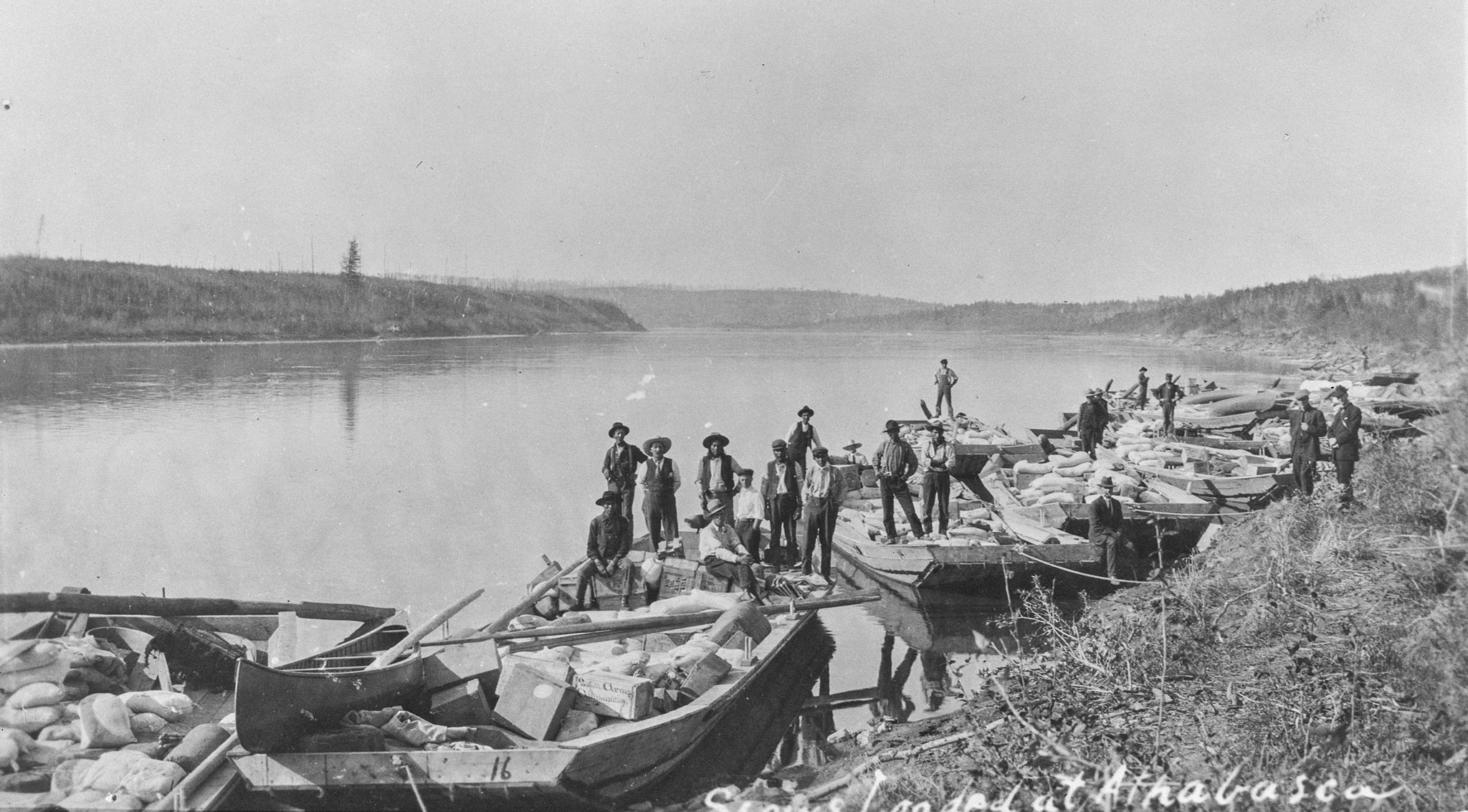
Northern Alberta Travel & Transport in 1880-1896
Imagine taking 11 days to make a trip that you could accomplish today in less than two hours by car! This was common in the late 1800s — the multiple ways to get around northern Alberta were all depending on the weather conditions. Now picture trudging through three feet of snow in 50 below! That’s…
-
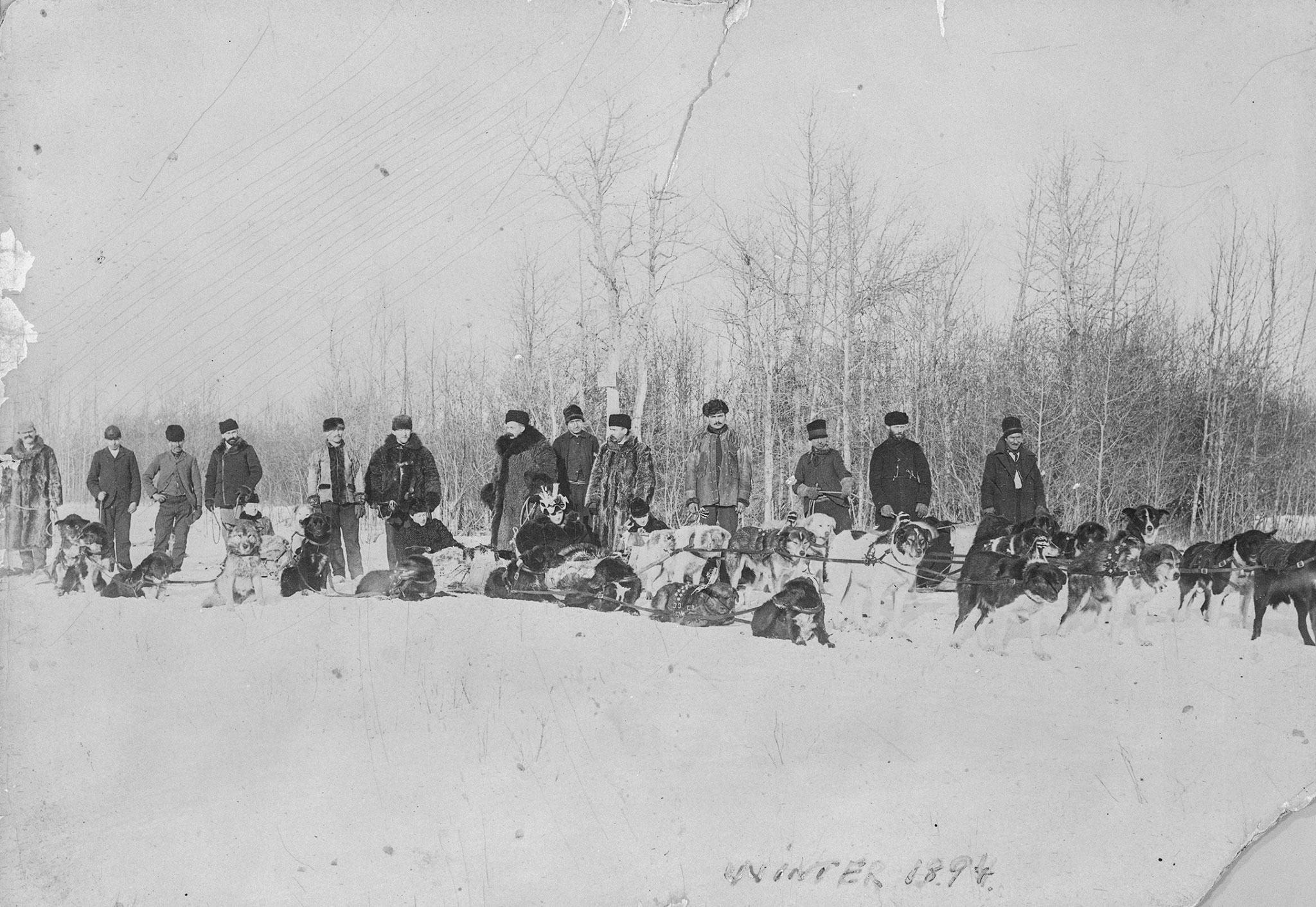
Fur Trade History in Lesser Slave Lake Region
In the late 19th century Lesser Slave Lake Region, furs were so valuable that they were being used as currency! People were buying food, clothing and even shelter with their precious furs. Originally valued using the term “Skin-Way” — which converts all furs to the value of a beaver skin — the booming fur trade…